Kyoto Kimono Rental Cost and Budget Guide
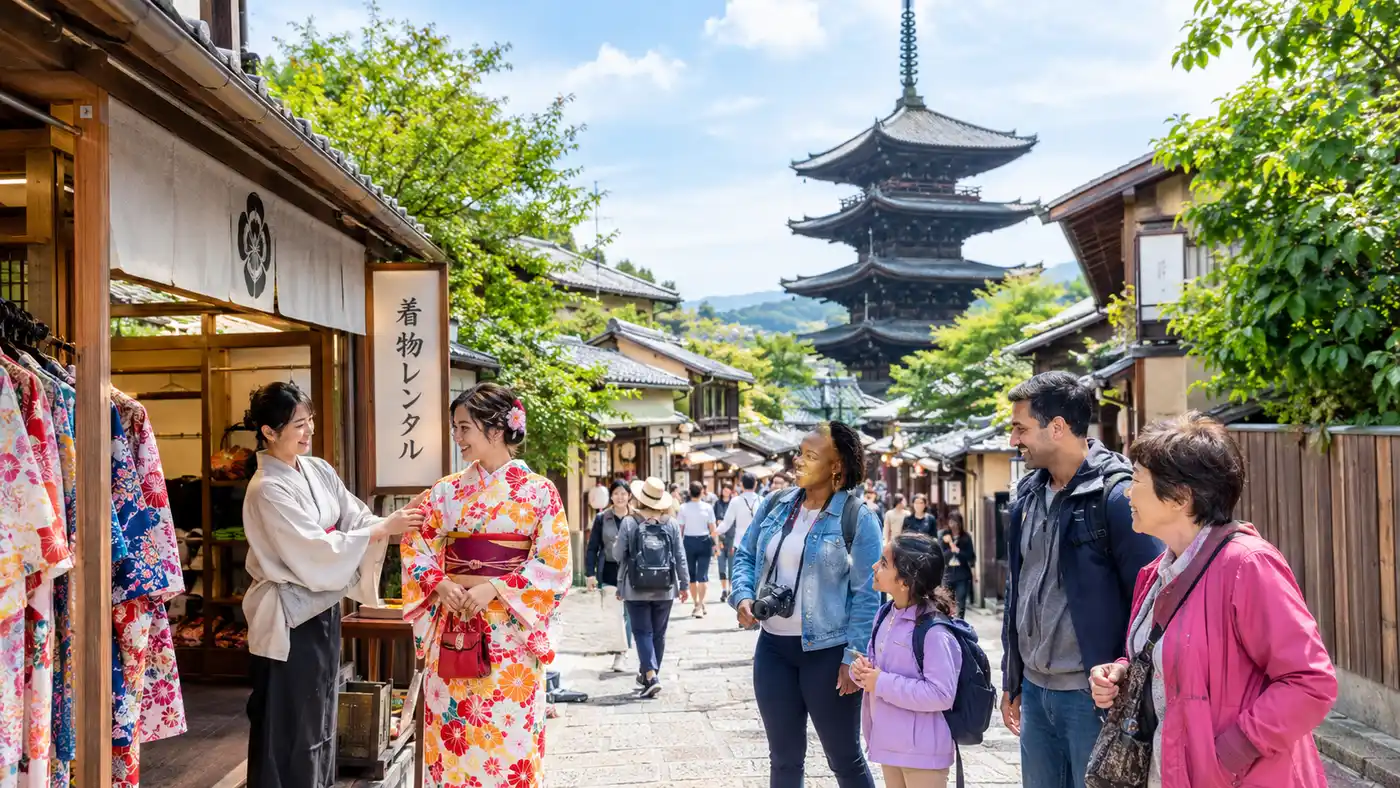
Walking through the stone lanes of Higashiyama, you will hear the wooden clatter of geta sandals long before you see the crowd. It is easy to get swept up in the fantasy of spending an afternoon dressed in silk or crisp cotton against vermilion shrine gates, but the actual kimono rental kyoto price can catch travelers off guard. You see signs on street corners promising outfits for 2,000 yen, yet people regularly walk out having spent triple that amount.
I learned this the hard way on my second trip to Kansai. A shop near Gojo had an irresistible sandwich board outside, but once I was upstairs on the tatami mats, everything from the decorative cord around my waist to the hairpins in the wicker basket came with an extra fee. Budgeting for this experience requires looking past the base rates. Between styling fees, rental deposits, transport, and temple gates, the numbers add up quickly.
Book your kimono rental kyoto experience:
Real Breakdown of Kimono Rental Kyoto Price Tiers
Rental rates across the city fall into predictable price brackets, mostly defined by fabric quality, styling complexity, and location. A baseline package starts around 3,200 yen at large chain operations. At that price, you receive a polyester kimono, a simple pre-tied obi sash, standard white socks, and vinyl sandals. It works fine for quick snapshots, though the synthetic cloth can feel stiff and catches heat quickly in the afternoon sun.
Step up to the mid-tier range between 5,500 and 8,500 yen, and things improve noticeably. The prints are tasteful, with muted botanicals or classic geometric patterns instead of screaming neon florals. You also get a real Nagoya obi tied by hand rather than a clip-on bow. Men usually pay roughly 4,500 to 6,000 yen in this tier, which gets them a textured cotton or wool ensemble with an haori jacket.
Then comes the luxury tier. Authentic antique silk pieces, formal homongi, or vibrant furisode with sweeping sleeves cost anywhere from 12,000 to 35,000 yen for a single day. You will find these at specialty houses tucked behind the tea shops in Gion. The drape of real chirimen silk is unmistakable, heavy and fluid. It changes how you carry your posture entirely. If you want to dive deeper into the seasonal fabrics and garment weights, our Kyoto kimono types and seasonal rental guide covers the difference between summer ro weaves and winter wools.
| Rental Package Tier | Average Cost (JPY) | Average Cost (USD approx.) | What Is Typically Included |
|---|---|---|---|
| Basic / Budget | ¥2,800 - ¥3,800 | $19 - $25 | Polyester kimono, half-width pre-tied obi, white tabi, vinyl sandals, basic bag |
| Standard / Popular | ¥4,500 - ¥6,500 | $30 - $43 | Better prints, hand-tied obi, simple hair styling, small decorative accessories |
| Premium / Vintage Silk | ¥8,500 - ¥15,000 | $56 - $100 | Silk or antique fabric, Nagoya obi, seasonal haori, upgraded pouch, full hair arrangement |
| Furisode (Long Sleeves) | ¥16,000 - ¥38,000 | $106 - $253 | Formal silk furisode, elaborate double-layered obi, premium hair accessories, dressing assistant |
| Men's Standard | ¥4,000 - ¥6,000 | $27 - $40 | Undergarments, kimono, kaku obi belt, haori jacket, haori cord, geta, cloth pouch |
Prices swing based on foot traffic. A shop on Kiyomizu-zaka charging 4,000 yen on a rainy Tuesday might list the exact same package at 6,500 yen during late November when maple leaves turn crimson.
Finding Cheap Kimono Rental Kyoto Deals That Look Good
You can track down an affordable kimono rental kyoto deal without looking like you bought an outfit at a discount party store. The trick is location. High-rent tourist thoroughfares charge inflated rates for bare-bones kits. Walk ten minutes away from the main temple gates, and the base price drops by 1,500 yen while the service gets noticeably more attentive.
Shops located along the Karasuma subway line or near Kawaramachi Station often run weekday morning specials. They cater to domestic university students on school trips. You might pay 2,980 yen for an outfit that would run 5,000 yen on the hill near Yasaka Shrine. The trade-off is travel time. You have to ride the bus or train in your geta sandals, which takes practice if you have never balanced on flat wooden boards before.
Pro tip: Book the earliest morning slot, usually 9:00 AM, to get first pick of the daily fabric stock before the best vintage patterns and matching sashes are claimed by midday renters.
If you want the cheapest kimono rental in kyoto, look into web-only reservation discounts. Reserving through a shop's Japanese page via Google Translate often shaves 10 to 20 percent off walk-in rates. Just make sure you understand their cancellation terms, because small parlors often charge full price if you fail to show up in the rain.
The Hidden Extras in Kimono Rental Kyoto Rates
The sticker price is rarely what hits your credit card.
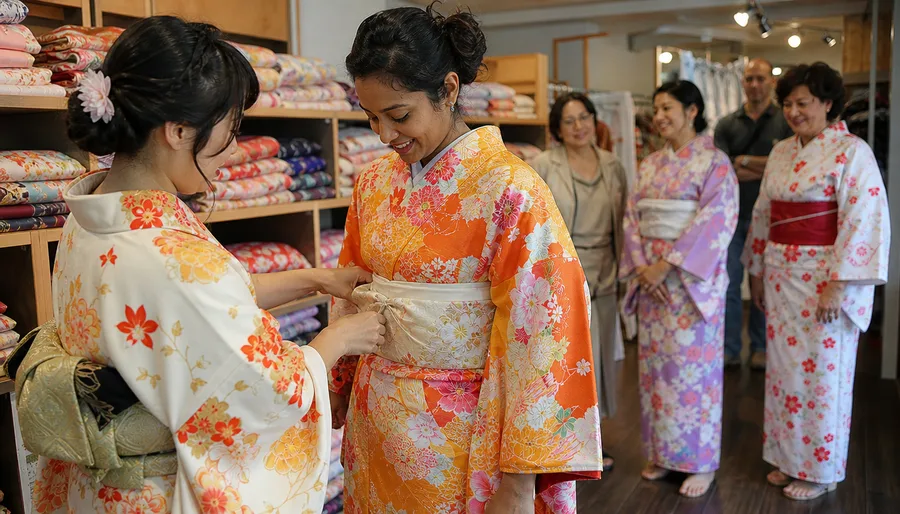
Hair is the biggest add-on. Most women assume styling comes with the dressing service, but standard packages only include a quick brush and a cheap plastic comb. An elaborate braided updo with flowers costs between 1,100 and 2,200 yen extra. Without it, the stiff collar of the kimono catches on your neck, pushing your hair outward into a messy tangle within an hour.
Note: Most shops will charge a late fee of roughly 1,000 to 1,500 yen per hour if you return past 5:30 PM, and overnight returns usually require an upfront cash deposit of 5,000 yen.
There are several small line items that creep into your bill if you do not watch the shelves closely during the dressing process:
- Embroidered under-collars: A standard collar is plain white, but colorful or lace trim running along the neckline runs 550 to 1,100 yen extra.
- Obijime cords and brooches: The decorative braided cord tied over the main sash adds 300 to 800 yen to your total.
- Bag upgrades: Tiny standard woven baskets fit only an iPhone and a flat cardholder; larger purses or vintage bamboo bags cost roughly 500 yen.
- Fleece thermal layers: During December and January, rental parlors charge 600 yen for heat-trapping undershirts and fleece-lined split-toe tabi.
- Luggage holding fees: Large suitcases left behind while you tour cost around 500 to 800 yen per bag at budget storefronts.
If you plan to add full cosmetics or want a professional trailing you through Gion's backstreets, read our guide on Kyoto kimono rental with photoshoot and hair makeup to see how those service bundles compare to piecemeal salon add-ons.
Book your kimono rental kyoto experience:
Factoring in Kimono Rental Kyoto Tickets and Daily Spending
Travelers often ask about kimono rental kyoto tickets, assuming there are package passes combining outfit hire with temple entry. You will rarely find an official combined ticket like that. Temples across Kyoto operate independently, so you pay your admissions separately at each wooden ticket booth, regardless of what you are wearing.
Wearing traditional clothing does not waive the kimono rental kyoto entrance fee at major monuments. Kiyomizu-dera costs 400 yen. Tenryu-ji in Arashiyama asks 500 yen for its garden path. Kinkaku-ji requires 500 yen at the gate. A few smaller municipal museums or garden teahouses occasionally offer a 50-yen discount to people in wafuku, but it is not something to rely on for your travel budget.
Your transport costs will rise slightly while wearing an outfit. You will not want to walk the 3 miles from Yasaka Pagoda up to the top of Nanzen-ji in tight fabric wraps and thong sandals. You will find yourself hailing small black MK taxis or hailing a cab from the curb. Budget an extra 2,500 to 4,000 yen for short taxi hops. It preserves your feet, keeps the hems clean from road dust, and saves your lower back from straining against the tight obi padding.
Tea stops matter too. Walking in full dress is tiring work. It compresses your diaphragm, so large meals feel uncomfortable, driving you toward quick matcha and sweet red-bean dango breaks instead. Expect to spend 800 to 1,400 yen per person at traditional teahouses along the stone stairways every few hours just to sit down on flat tatami.
Planning Your Kimono Rental in Kyoto Budget
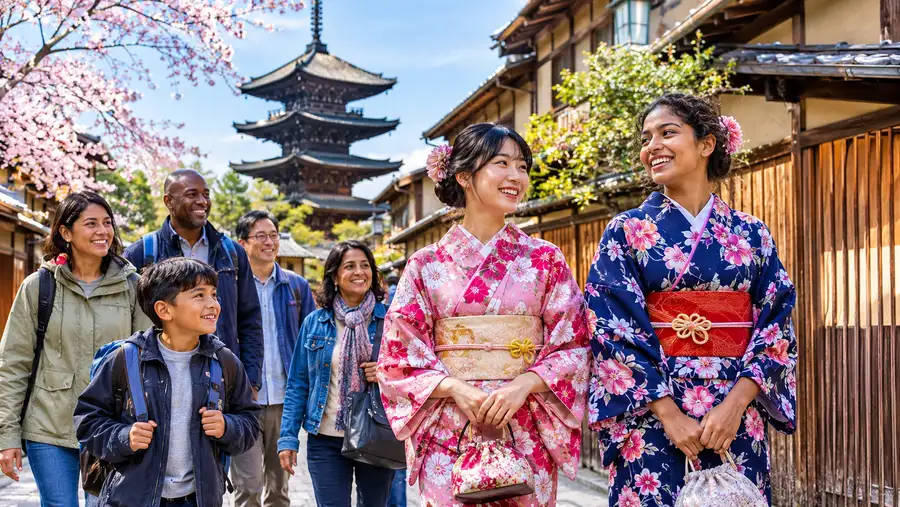
When asking how much is kimono rental in kyoto for a full day out, you should look at the entire day as a single ledger. It is never just the cloth. You need to account for transit, snacks, temple gates, and that one unexpected rental accessory you fell in love with once the stylist held it up against your shoulder.
For a solo traveler keeping spending tight, an honest baseline sits at roughly 7,000 yen ($46 USD). That covers a 3,500-yen budget outfit, basic hair help, a couple of temple admissions, and two bus rides. It is fun, accessible, and gives you great memories without draining your daily funds.
If you want a relaxed, picturesque day where you do not have to deny yourself the pretty silk print or the decorative obi string, use these practical budget allocations:
- Sensible Mid-Range Day: Allocate 11,000 to 14,000 yen ($73 - $93). This pays for a standard mid-tier kimono, proper braided hair with flowers, an upgraded handbag, two taxi rides between sights, and an afternoon stop at a quiet garden cafe.
- Full Luxury Experience: Set aside 25,000 to 45,000 yen ($165 - $300). This covers vintage silk or a long-sleeved furisode, custom kanzashi accessories, an hour of walking photography, and luggage transfer services so you do not have to return to your starting shop.
- Couples Outing: Expect roughly 13,000 to 17,000 yen ($86 - $113) combined. Men's packages stay cheap and simple, which balances out the additional hair and accessory costs on the women's side of the dressing room.
Weather plays a part in the ledger. Rain requires umbrella rentals, which shops usually offer for 300 to 500 yen, or purchasing a clear plastic umbrella from 7-Eleven down the block. Winter demands an insulated underlayer or an haori coat, running 1,000 yen extra. Summer calls for a lighter yukata, which immediately drops the base rental price down by roughly 1,500 yen across almost every parlor in town.
Frequently Asked Questions about kimono rental kyoto price
How much is kimono rental in kyoto for a standard day?
Most travelers spend between 5,000 and 7,500 yen ($33 to $50 USD) for a quality mid-tier outfit, including standard hair styling and small accessories. Basic packages start lower at around 3,200 yen, but they exclude most finishing touches.
Are there package tickets that include temple admissions?
No, combined tickets linking outfit hire with temple entry do not exist in Kyoto. You pay the standard shrine and temple admissions separately at each site gate, typically 400 to 600 yen per location.
Why are furisode rentals so much more expensive?
Furisode are formal, long-sleeved garments traditionally made from pure silk with intricate dyed patterns. They require double-weight obi sashes, specialized undergarments, and two dressers working together to wrap the pleats properly, pushing costs above 16,000 yen.
Is hair styling included in the basic rental price?
Rarely. Budget outfits only include a flat brush-out. Structured updos, braids, and traditional kanzashi hairpins almost always cost an additional 1,100 to 2,200 yen at checkout.
Quick Reference
- Basic rental: ¥3,000 - ¥4,000
- Mid-tier package: ¥5,500 - ¥8,000
- Hair styling add-on: ¥1,100 - ¥2,200
- Late return penalty: ¥1,000/hour
Book your kimono rental kyoto experience:
The Bottom Line
Renting traditional dress in Japan's old capital is one of those rare travel splurges that genuinely transforms how you experience the city. You walk slower, you pay attention to the thresholds of wooden doorways, and the local temple staff treat you with an unmistakable, quiet warmth. Just do yourself a favor and do not hunt exclusively for the single cheapest shop on the block. Pick a parlor with honest upfront pricing, factor in the taxi fares so your arches do not give out halfway up the hill, and enjoy spending an afternoon living inside a different century.
Read more about kimono rental kyoto.