Where to Rent a Kimono in Kyoto: Top Areas
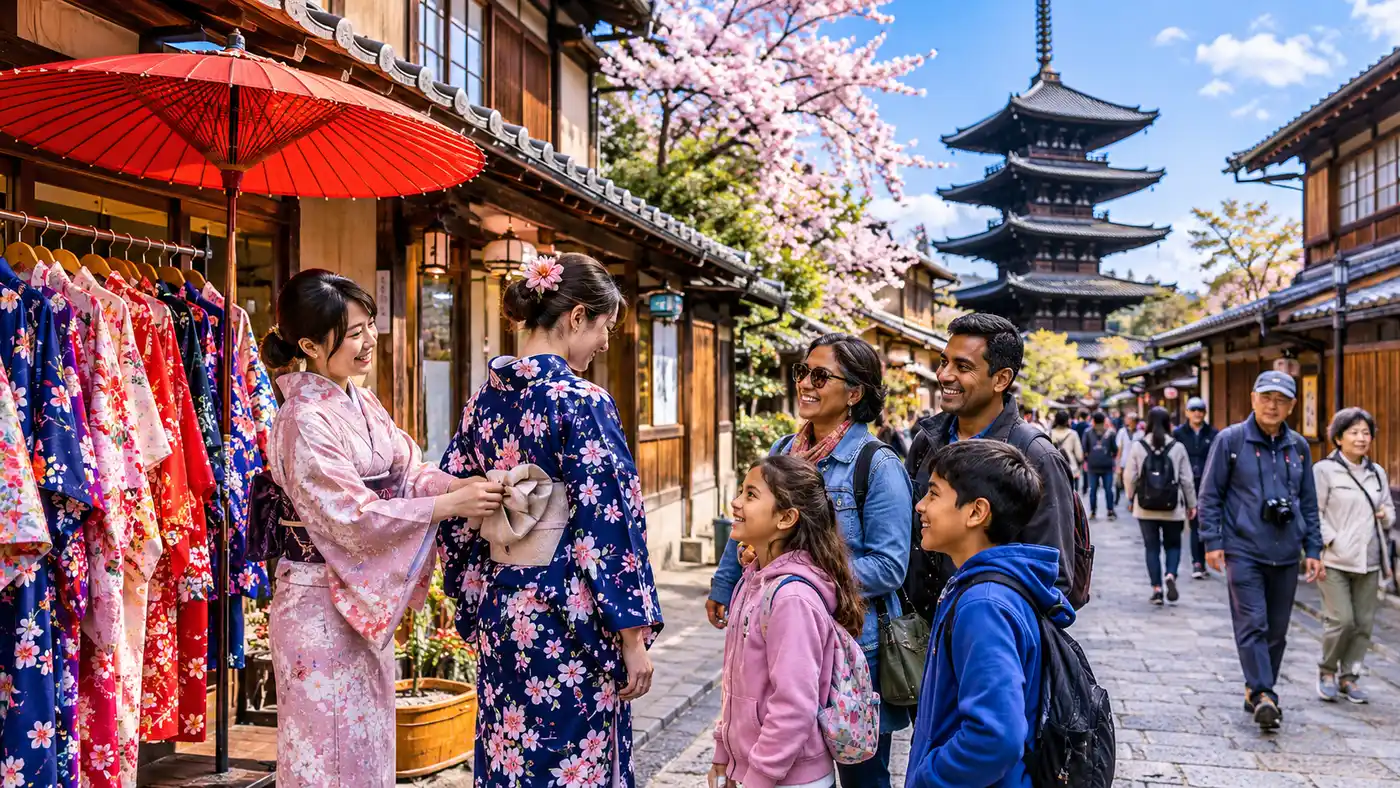
My feet were aching after thirty minutes in wooden geta sandals, but stepping along the stone pavement of Shinbensha Street made every awkward shuffle worth it. Getting dressed in traditional silk changes how you explore this city. You walk slower. You take in the smell of old cedar and incense curling out of tea shops. Most travelers automatically look for a kyoto gion kimono rental shop because the historic geisha district feels tailor-made for traditional dress, yet Gion is only one corner of a sprawling, layered ancient capital.
The neighborhood you pick for your dressing session shapes your entire day. Put on tight robes on the wrong side of town, and you might spend forty minutes trapped on a sweltering public bus trying to reach the sights you actually want to see. Each major sightseeing pocket offers distinct advantages, wildly different walking terrain, and unique photo backdrops. Here is how Kyoto's top kimono rental neighborhoods stack up, along with real advice on choosing the spot that makes the most sense for your day.
Book your kimono rental kyoto experience:
Why a Kyoto Gion Kimono Rental Puts You in the Center of It All
Gion remains the historic heart of classic Kyoto imagery. Renting around here means you step out of the dressing room straight onto preservation streets flanked by dark timber machiya townhouses. If you want willow trees dangling over peaceful canal waters, head directly to Shirakawa. The canal runs quiet in early morning, and the stone bridges give you pristine angles before lunchtime foot traffic clogs the sidewalks.
A lot of travelers specifically target a kyoto kimono rental gion shijo location because the transit access cannot be beaten. Gion-Shijo Station sits right on the Keihan Line, while Hankyu Kyoto-Kawaramachi Station is just across the bridge over the Kamo River. If you book around Shijo Street, you get dozens of shops competing on price and styling. Many visitors searching for the best kimono rental kyoto gion end up along the streets branching off Shijo-dori, where family-owned parlors rub shoulders with sleek multi-story operations. Booking a kyoto kimono rental shijo studio puts you within an easy ten-minute stroll of Yasaka Shrine, Kodaiji Temple, and the lantern-lit alleys of Pontocho.
Note: Private alleys in Gion have strict photography bans with fines up to 10,000 yen. Stick to main public thoroughfares like Hanamikoji and Shirakawa, and never chase or photograph working geiko or maiko.
When selecting a shop in Gion, pay close attention to small operational details:
- Luggage storage space: Look for rental spots offering free day storage for your suitcases, especially if you plan to switch hotels later.
- Footwear comfort options: Some shops offer cushioned modern sandals instead of stiff traditional zori, saving your arches on cobblestones.
- Return deadlines: Most Gion parlors ask for returns by 5:30 PM, but a few let you return the next morning for roughly 1,100 yen extra.
- Dressing speed: Larger chains process groups in fifteen minutes flat, while boutique spots might take forty minutes focusing on precise obi knot styling.
Walking the Slopes: Kimono Rental Kyoto Kiyomizu and Higashiyama
If your dream photo involves sweeping views from temple verandas and stone-paved stairs lined with classic wooden shopfronts, you want to be up in the eastern hills. Arranging a kimono rental kyoto higashiyama setup lets you roam Sannenzaka and Ninenzaka without dealing with transit first. It is gorgeous. Wooden eaves cast sharp shadows across gray paving stones, rickshaws roll past, and paper umbrellas dot the skyline.
Securing a kimono rental kyoto kiyomizu package places you right beside the legendary Kiyomizu-dera Temple. The main hall, constructed entirely without nails on massive timber stilts, hovers over the maple-filled Otowa ravine. Choosing a shop specializing in kimono rental kyoto kiyomizudera means you can climb the approach before morning crowds swamp the temple grounds. You can also review our guide on Kyoto kimono rental cost and budget to see how specialty hill shops price their packages compared to downtown storefronts.
The main challenge here comes down to elevation. Walking up to Kiyomizu-dera involves genuine hills. Tight kimono skirts restrict your stride to tiny steps, and climbing Ninenzaka requires real patience. If you slip a kimono rental kyoto kiyomizu dera morning into your itinerary, take tiny steps, keep your knees slightly bent, and embrace the slow rhythm. It turns sightseeing into an exercise in mindfulness.
Pro tip: Visit Yasaka Koshin-do temple just downhill from Kiyomizu. The courtyard is filled with hundreds of vibrant, cloth monkey charms called kukurizaru that make an incredible visual pop against subdued kimono fabrics.
Bamboo Groves and River Walks: Kimono Rental Kyoto Arashiyama
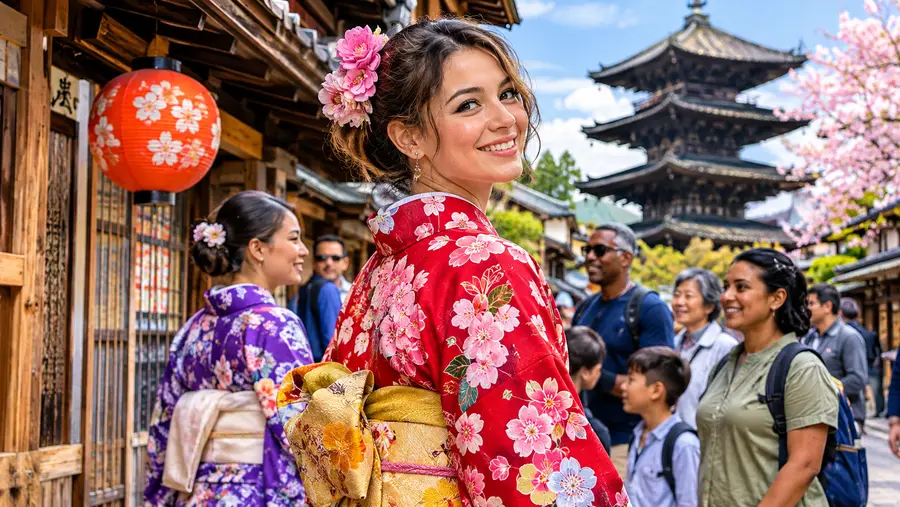
Out on the western edge of Kyoto, the rhythm shifts completely. Arashiyama feels more like a rustic mountain retreat than a dense urban preservation zone. A kimono rental kyoto arashiyama booking works wonders if you prefer soaring bamboo forests, wide river valleys, and mountain backdrops over narrow urban alleys. The Oi River mirrors forested peaks, and crossing the wooden Togetsukyo Bridge in seasonal robes feels like stepping back into the Heian aristocracy.
Arashiyama gets packed, honestly. The famous bamboo path turns into a solid wall of selfie sticks by 10:00 AM. If you pick this area, book the earliest morning dressing slot available - usually around 9:00 AM - and head straight past the main grove toward Okochi Sanso Villa or down along the riverbank path toward Kameyama Park. The stone steps leading along the water provide quiet scenery where you can take photos without dozens of tourists drifting into your frame.
Reaching Arashiyama while dressed up can be clumsy, so getting fitted directly in the neighborhood makes far more sense than renting downtown and taking the train out. Several shops sit within a five-minute walk of Hankyu Arashiyama Station or Keihan Randen Arashiyama Station. The retro purple Randen tram even has a kimono forest installation right on the platform, featuring six hundred tall acrylic pillars wrapped in brilliant yuzen-dyed textile patterns.
Book your kimono rental kyoto experience:
Transit Hubs and Shrines: Kimono Rental in Kyoto Station and Fushimi Inari
Not everyone wants to stay boxed into a single neighborhood. For pure logistical convenience, finding a reliable kimono rental in kyoto station provides immense flexibility. Kyoto Station is the city transit nervous system. From here, subway lines, city buses, and JR trains spread out across the valley. Dressing right at the terminal allows you to hop a train straight to Uji, head north to the Golden Pavilion, or zip south to the shrine gates.
Directly across from the terminal, a kimono rental kyoto tower boutique offers great panoramic dressing rooms and instant access to downtown lockers. If your travel plans involve arriving on the Shinkansen bullet train at 9:30 AM, dressing up immediately, touring for six hours, and leaving on an evening train to Osaka, a station rental is unbeatable. You bypass the need to drag your overnight bags on local buses.
Then there is Fushimi Inari. A dedicated kimono rental kyoto fushimi inari studio places you right at the mouth of thousands of vermilion torii gates winding up Mount Inari. The visual contrast between orange shrine gates and a rich, deep-toned kimono is stunning. If you plan to head there, keep your footwear in mind. Climbing the full mountain loop takes roughly two hours across thousands of stone stairs. Most travelers dressed in robes turn back at the Yotsutsuji intersection, which sits thirty minutes up and provides sweeping views over Kyoto without wrecking your ankles.
Comparing Kyoto Kimono Rental Neighborhoods
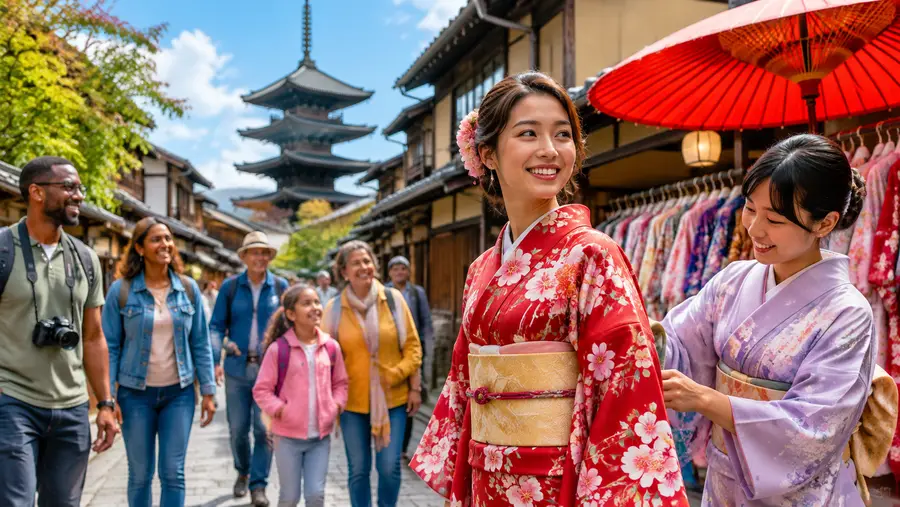
Selecting your dressing location comes down to a balance between scenery, foot traffic, and physical terrain. Gion and Higashiyama give you historic wooden architecture, Arashiyama offers natural landscapes, and transit hubs maximize schedule flexibility. If you are traveling as a pair or with kids, check our guide on kimono rental for couples, men, and families to see which areas offer the best matching selections and group room sizes.
Here is how the main rental areas compare across the practical points that matter during a day out:
| Rental Area | Primary Atmosphere | Walking Difficulty | Transit Access | Best Suited For |
|---|---|---|---|---|
| Gion & Shijo | Historic alleys, canals, machiya | Easy (flat stone streets) | Keihan, Hankyu, City Buses | Classic architecture, evening dining |
| Higashiyama & Kiyomizu | Temple slopes, preserved stairs | Moderate to steep slopes | City Bus, moderate walk to trains | Dramatic temple views, shopping lanes |
| Arashiyama | Bamboo forest, mountains, river | Easy to moderate paths | JR, Hankyu, Randen Tram | Nature lovers, peaceful river strolls |
| Kyoto Station Area | Modern urban transit hub | Easy indoor/paved ground | All major train and bus lines | Day-trippers, tight multi-area schedules |
| Fushimi Inari | Vibrant vermilion shrines, woodland | Moderate stair climbing | JR Nara Line, Keihan Line | Striking shrine photos, quick train hops |
Walking around Kyoto dressed up requires realistic pacing. A route that normally takes fifteen minutes in running shoes will easily take thirty-five minutes in geta. Build empty time cushions into your afternoon so you never have to rush to return your garments.
Keep these movement tips in mind as you map out your route:
- Stairs demand caution: Lift the front hem slightly with your left hand when ascending stairs to keep from tripping over the front fabric fold.
- Bathroom breaks take time: Using the restroom while managing several layers of undergarments, ties, and a stiff obi belt requires at least ten minutes of careful maneuvering.
- Weather dictation: In summer heat, opt for unlined cotton yukata instead of heavy silk; in winter, request thermal undergarments and an overcoat haori.
Frequently Asked Questions about kyoto gion kimono rental
What is the best time of day to rent a kimono in Gion?
Book the earliest available slot, typically around 9:00 AM. You will get the widest pick of fabrics, obi sashes, and accessories before other travelers browse through them, and you can explore the streets before midday crowds peak.
Can I return my kimono at a different shop location?
Some multi-branch chains allow cross-location returns for a small fee, usually between 1,000 and 1,500 yen. For instance, you might get dressed in Kyoto Station and drop your garments off at their Gion or Kiyomizu branch before closing.
Is it rude or disrespectful for foreign tourists to wear kimono in Kyoto?
Not at all. Japanese locals and shopkeepers genuinely welcome visitors wearing kimono. The city actively encourages kimono culture, and dressing respectfully in traditional attire is viewed as an appreciation of Japanese craftsmanship.
Quick Reference
- Gion offers the flattest terrain for comfortable walking in geta.
- Higashiyama requires handling steep staircases and stone slopes.
- Kyoto Station branches are best for travelers switching hotels or cities.
- Standard rental return times fall strictly between 5:00 PM and 6:00 PM.
Book your kimono rental kyoto experience:
The Bottom Line
Do not overthink the technical details too much. Wherever you decide to dress up, taking the time to experience Kyoto in traditional clothing slows your pace down to the speed the city was meant to be experienced. Pick an area that matches your personal aesthetic, reserve your dressing time a couple of weeks ahead during spring or autumn, and enjoy the day stepping through living history.
Read more about kimono rental kyoto.